Buying Guides
How to Choose Bag Material for Custom Printed Shopping Bags: Non-Woven vs RPET vs Cotton Canvas
Compare non-woven, RPET recycled and cotton canvas for custom printed shopping bags: surface, print result, cost position and which one fits promotional, retail or gifting use.
Short answer: For custom printed reusable shopping bags, non-woven is the lowest-cost option for high-volume promotional runs, RPET recycled is the choice when a brand needs to prove recycled content, and cotton canvas is the premium retail option that carries the highest perceived value. The right material follows from three decisions: how the bag will be used, what the print needs to look like, and how many pieces the order runs.
If you are a brand owner, retailer or promotional buyer sourcing reusable shopping bags in small batches, this page walks through the three materials we build most often and the trade-offs between them. It is not for buyers looking for single-use plastic bags or for orders above a few thousand pieces per design — our production is set up for small and medium batch work, so very large bulk programmes belong with a different supplier.
Quick comparison
Base material — Non-woven: Polypropylene non-woven fabric; RPET recycled: Fabric made from recycled plastic bottles; Cotton canvas: Natural cotton fibre
Surface — Non-woven: Soft, matte, textured; RPET recycled: Laminated, smooth, can be glossy; Cotton canvas: Natural woven texture
Print result — Non-woven: Solid colour blocks, clean logos; RPET recycled: Full-colour, sharp detail; Cotton canvas: Full-colour, softer hand-feel print
Weight — Non-woven: Light; RPET recycled: Medium; Cotton canvas: Heaviest
Best for — Non-woven: Giveaways, promotions, volume runs; RPET recycled: Brands with a sustainability message; Cotton canvas: Retail, gifting, premium packaging
Typical order — Non-woven: Small to medium batches; RPET recycled: Small to medium batches; Cotton canvas: Small to medium batches
Non-woven: the practical default for promotional bags
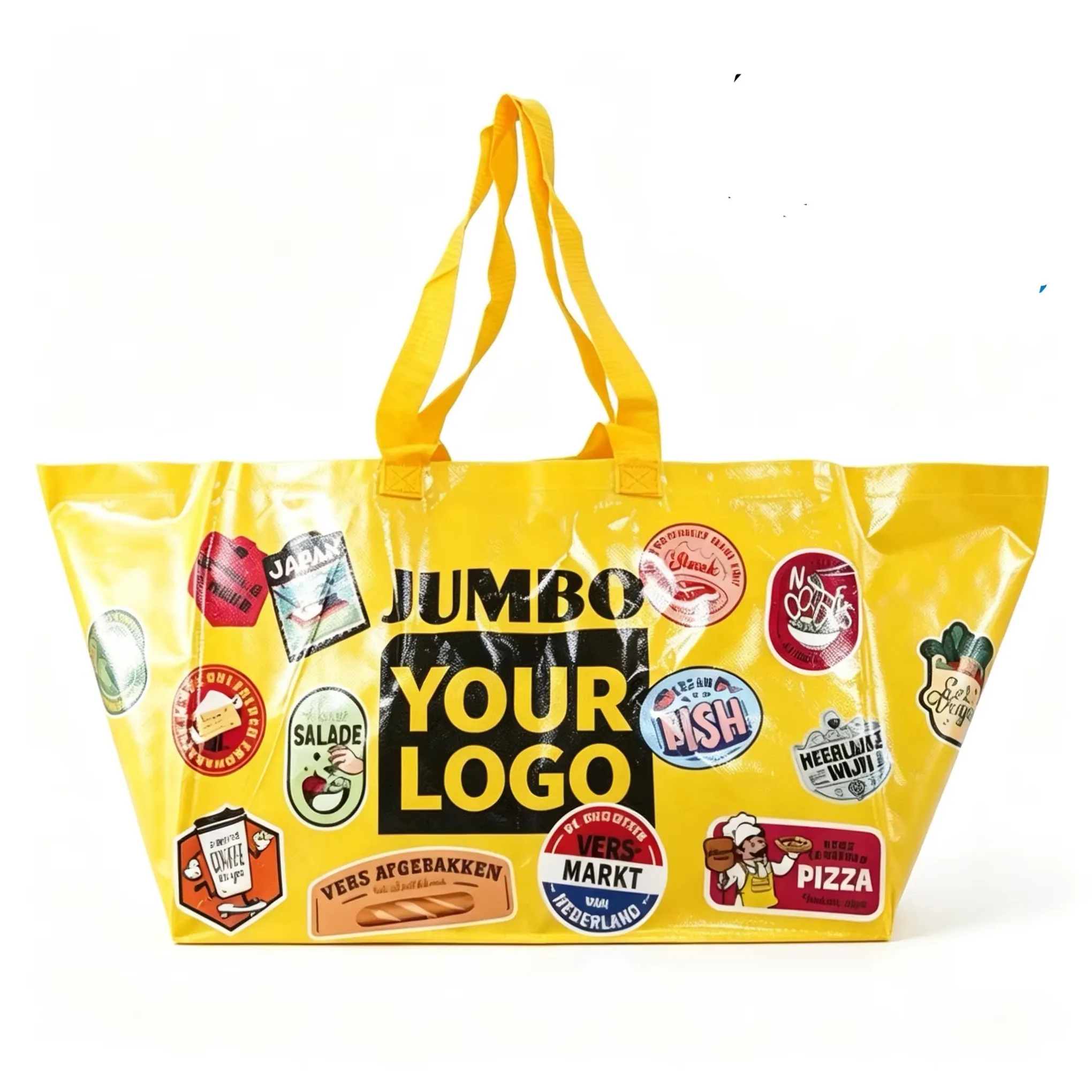
Non-woven bags are made from bonded polypropylene fibre rather than woven cloth. They are lightweight, tear-resistant and take a large printed logo cleanly, which is why they appear most often at trade shows, in retail promotions and as giveaway bags.
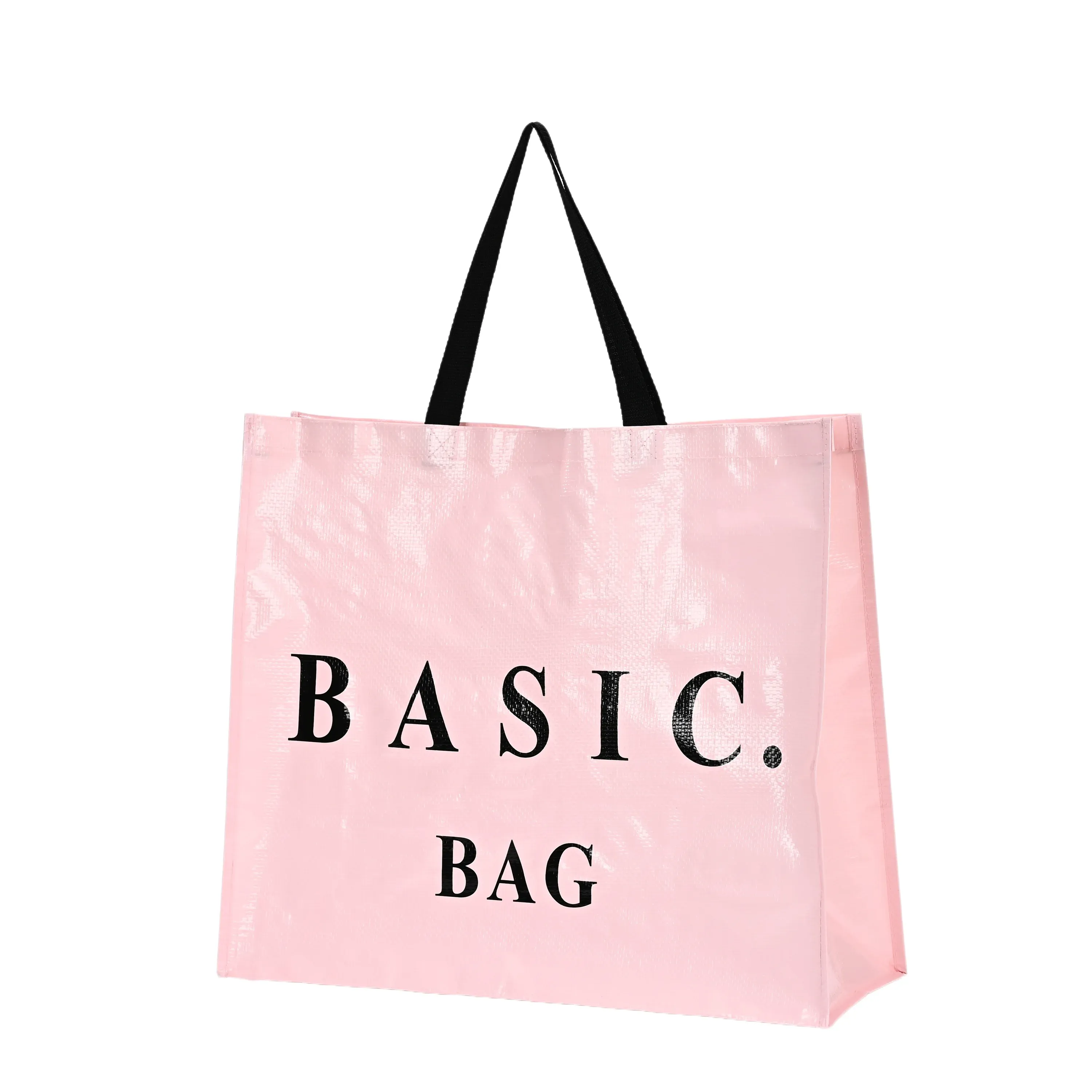
Choose non-woven when the priority is cost per unit at a given size, the artwork is a bold logo or simple graphic, and the bag needs to feel light when folded. It is recyclable and reusable, which meets the basic requirement of replacing single-use plastic bags.
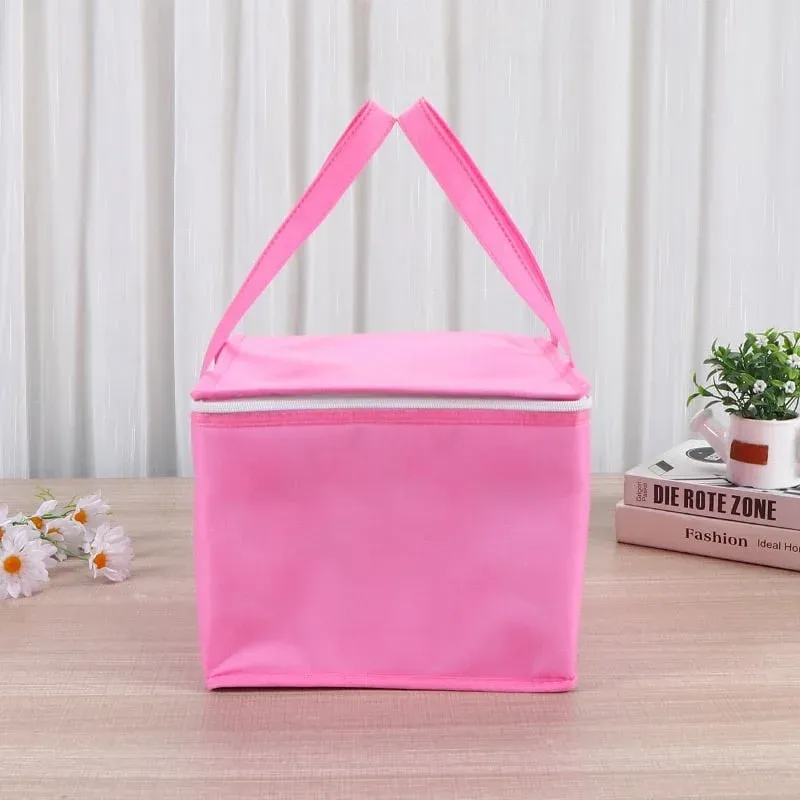
Watch out when the artwork is a fine gradient or a photograph. Non-woven prints best with solid shapes; very detailed images read better on a laminated surface.
RPET recycled: when the recycled content is the message
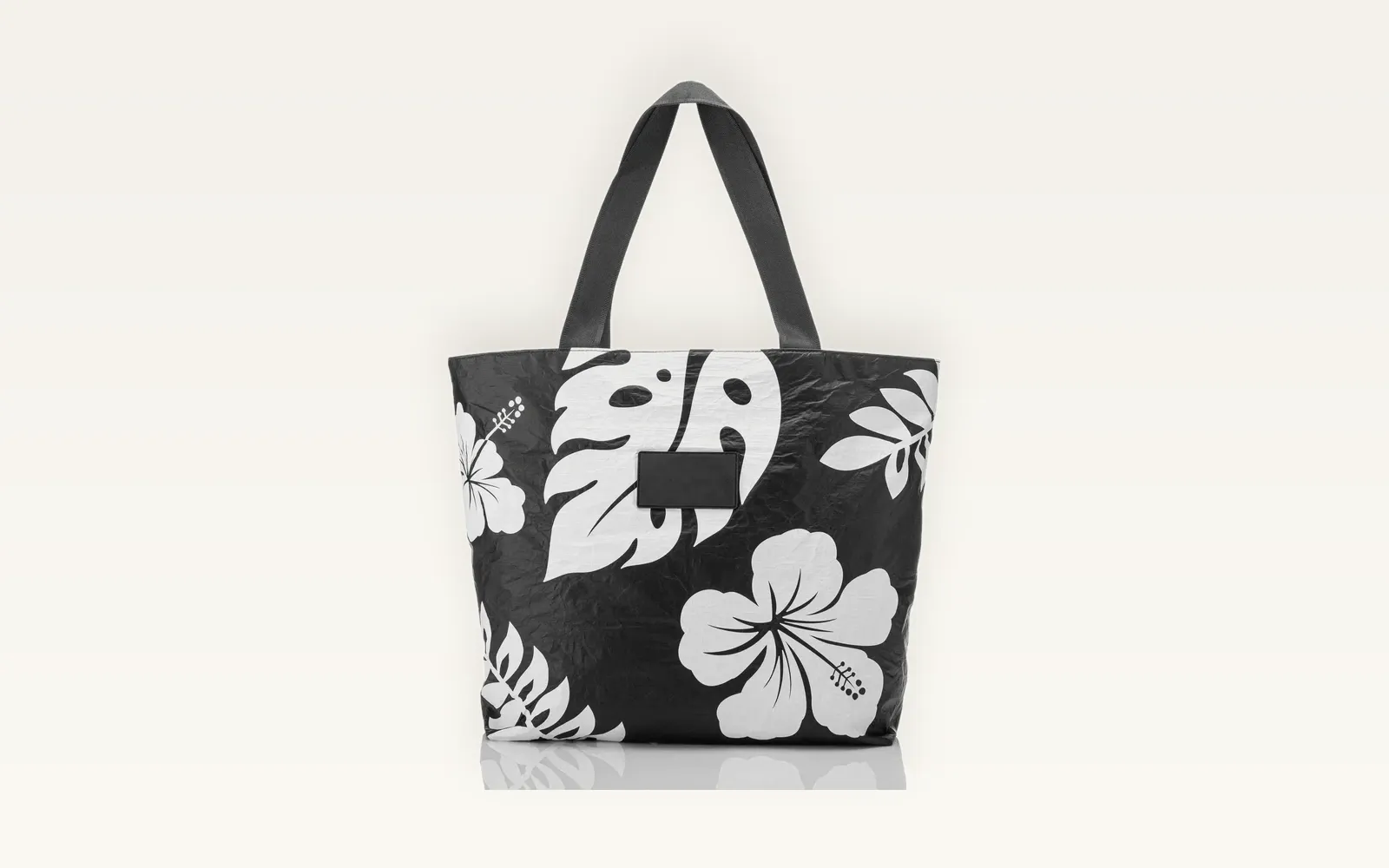
RPET bags are made from recycled polyethylene terephthalate, the material recovered from used plastic bottles and reprocessed into fabric. Laminating that fabric gives a smooth surface that holds bright, detailed printing — including gradients and photographic artwork.
Choose RPET when the bag itself has to communicate environmental responsibility, the print is detailed or multi-colour, or the bag needs to feel more substantial than basic non-woven. Because the surface is smooth, logos and patterns come out sharp and consistent.
Watch out when cost per unit is the only decision factor and the recycled story is not part of the campaign. For a plain giveaway with a single-colour logo, non-woven usually does the same job for less.
Cotton canvas: the premium retail and gifting option
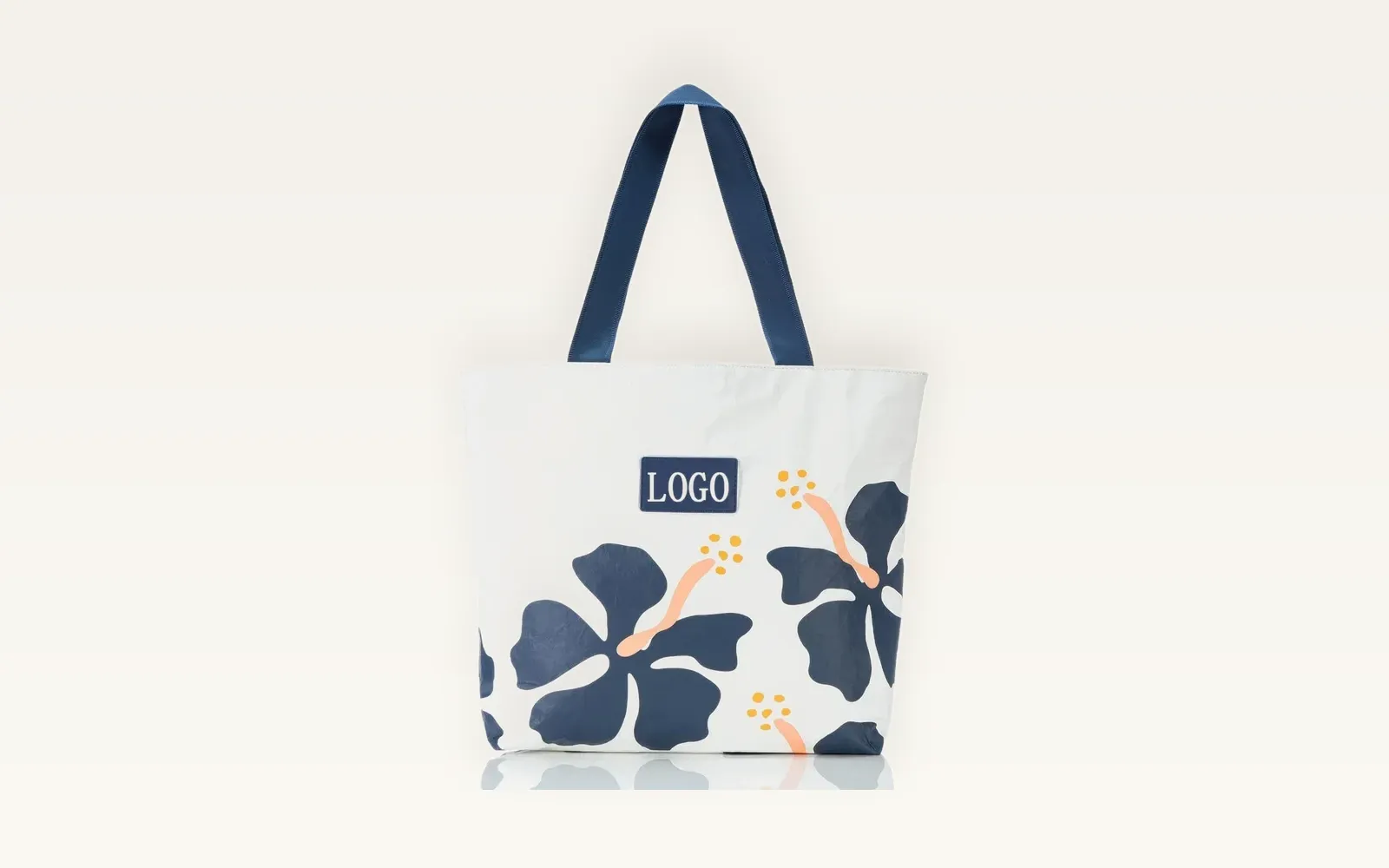
Cotton canvas is a woven natural fabric with visible texture. It is the heaviest of the three, holds structure well, and carries a higher perceived value — which is why it suits retail packaging, gift sets and brand merchandise that customers keep and reuse.
Choose cotton canvas when the bag is part of the product experience, the brand wants a tactile natural surface, or the bag is likely to be reused for years. Canvas also takes a wide range of handle options, including woven webbing and jacquard handles.
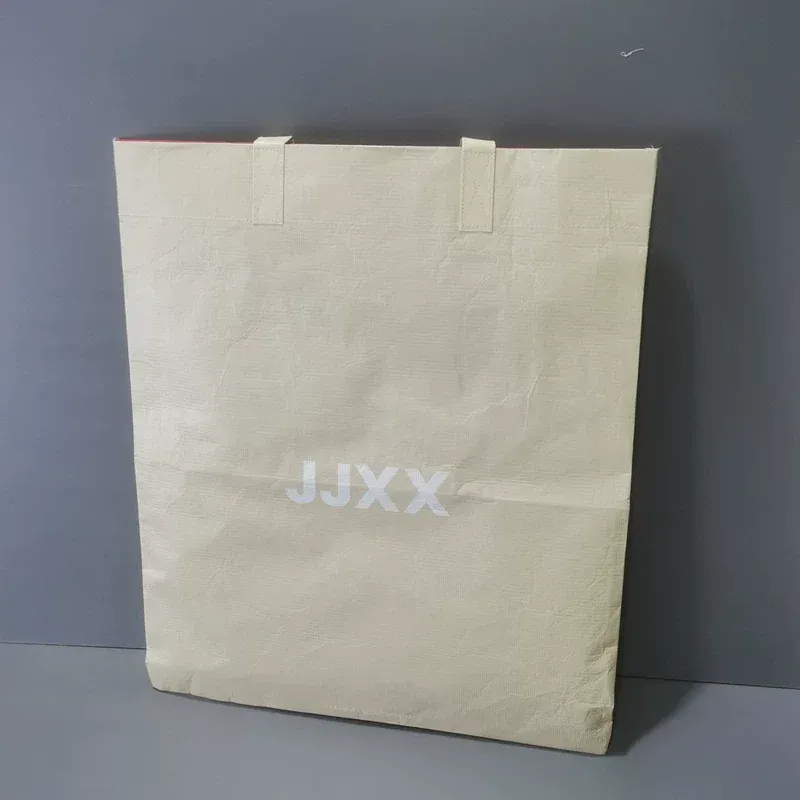
Watch out when the campaign needs the lowest unit cost or maximum water resistance. Canvas is heavier to ship and, unless laminated, is less water-resistant than a coated non-woven or RPET bag.
The three decisions that settle the material question
Work through these in order and the material usually picks itself:
1. How is the bag used? Daily grocery and heavy loads favour laminated woven or canvas. Light promotional giveaways favour non-woven.
2. What does the print need to show? A bold logo works on any of the three. A detailed or photographic design needs a laminated surface such as RPET.
3. How many pieces, and how often will the design change? Small batches with changing artwork suit digital printing on any of these materials, because there is no printing plate to commit to.
What to check before you commit to a material
Once the material is shortlisted, four practical checks prevent most rework:
1. Confirm the load, not just the size. A large bag that only ever carries light garments can use lighter fabric than the same bag used for groceries or drinks.
2. Match handle to load. Self-fabric and non-woven handles suit light promotional bags. Woven webbing, cotton webbing and jacquard handles carry more weight and last longer.
3. Check the finish you actually need. Matte, gloss, metallic and reflective finishes change both the look and the water resistance of the surface.
4. Send print-ready artwork. Illustrator, Photoshop or PDF files, or JPG and PNG at 300 DPI or above, so the printed logo matches what you approved.
How the print method interacts with the material
Material and printing method are linked decisions. All three materials here can be printed with digital full-colour printing on an HP Indigo 18K press, which needs no printing plate and therefore no plate charge — relevant when a design runs in small quantities or changes between orders. Where a design is fixed and the run is very large, plate-based methods such as gravure become economical; that trade-off is covered in our guide to plate fees and small-batch printing.
Common questions
Which material is cheapest?
Non-woven is generally the lowest-cost of the three at the same size. Cotton canvas is the most expensive, and RPET sits between them. Final cost depends on size, thickness, handle type and print coverage.
Which is most eco-friendly?
All three are reusable and recyclable. RPET is distinctive because its raw material is recovered from used plastic bottles, so the bag itself demonstrates recycled content. Non-woven and cotton canvas reduce single-use plastic by replacing disposable bags.
Can I print a photo?
Yes. Photographic and gradient artwork prints best on a laminated surface — RPET or laminated woven fabric — where the smooth finish holds fine detail. On plain non-woven, detailed images look flatter.
What artwork files do you need?
Illustrator, Photoshop or PDF, or JPG and PNG at 300 DPI or above, at high resolution with clear layers.
What order size can I place?
Custom orders run from 1 to 2000 pieces per batch. We do not take large-volume bulk orders, so the range stays flexible for brand startups and small businesses.
Next step
Send us the bag type, size, quantity and artwork and we will confirm which material and print method fit your order before sampling. Small batch orders from 1 to 2000 pieces, with digital printing and no plate fee.
Contact Anna, +86 139 0667 7863.